How to Play Memory Match on Play-Cute: Difficulty Levels, Credits, and Winning Tips
Memory Match on Play-Cute is a simple card-matching game, but it is not just a plain “flip two cards” game. It has difficulty levels, virtual credit entry fees, prizes, a move counter, a matched-pair tracker, and a completion screen that shows how well you played.
The idea is easy to understand: flip cards, remember the symbols, match pairs, and clear the board. The smaller boards are good for quick practice, while the bigger boards test how well you can remember card positions over a longer round.
One small thing to know before playing: in some areas of Play-Cute, the game may appear as Memory Quest, but once you open the game, the actual screen title says Memory Match. This guide focuses on how the game works inside Play-Cute, using the real game screens and gameplay flow.
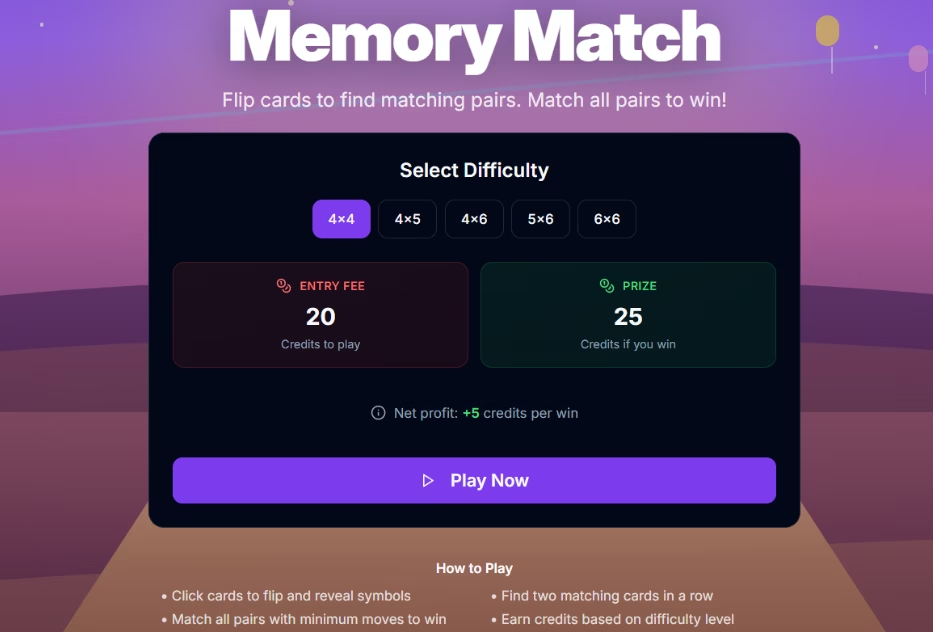
Alt text: Memory Match start screen on Play-Cute showing difficulty options, entry fee, prize, and Play Now button.
What Is Memory Match on Play-Cute?
Memory Match is Play-Cute’s card-matching game where you try to find every pair on the board. Each card starts face down with a question mark. When you click a card, it flips and reveals a symbol. Then you click another card and compare the two.
If both cards show the same symbol, they become a matched pair and stay visible. If they do not match, they turn back over, and you have to remember where those symbols were for later.
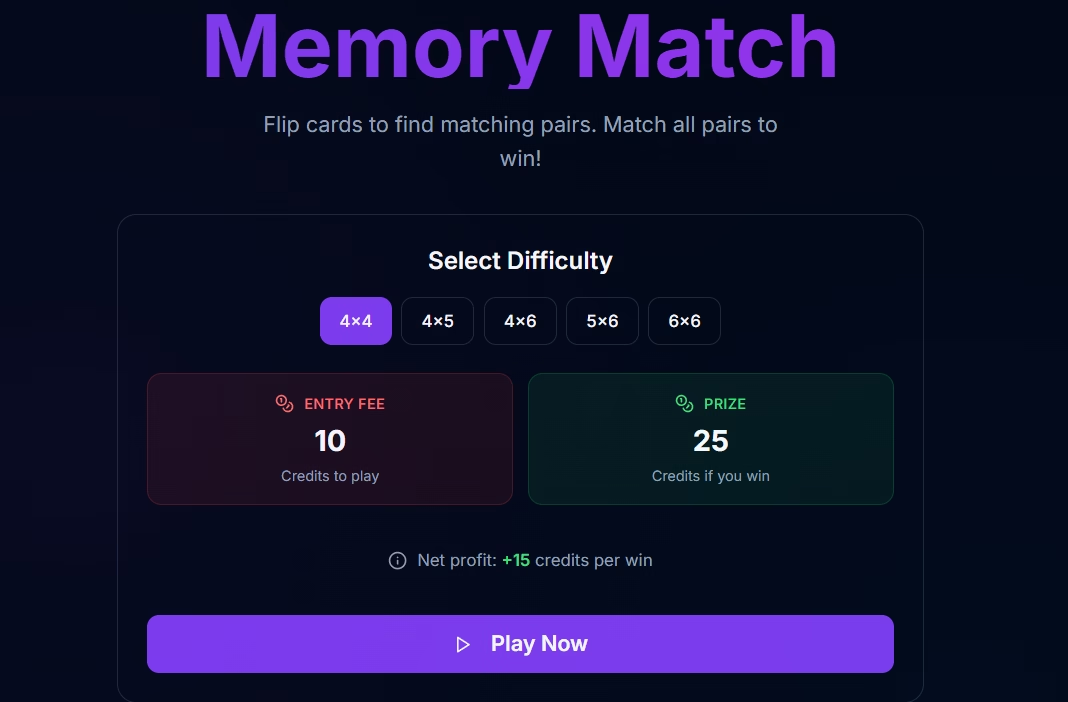
What makes Memory Match on Play-Cute more interesting is the difficulty system. Before starting, you choose a board size such as 4×4 or 4×5. Each difficulty has its own virtual credit entry fee and prize. The start screen shows the entry fee, the prize, and the net profit before you press Play Now, so you know what you are starting.
The game also gives you a clear result screen after you finish. It does not just end silently. You see your moves, time, credits won, and buttons to play again, change difficulty, or go back to the dashboard.
How Memory Match Works
The basic gameplay is very easy to learn.
You start with a board full of hidden cards. Each hidden card shows a question mark. When you click one card, it reveals a symbol. Then you click a second card. That second card also reveals a symbol, and the game checks whether the two cards match.
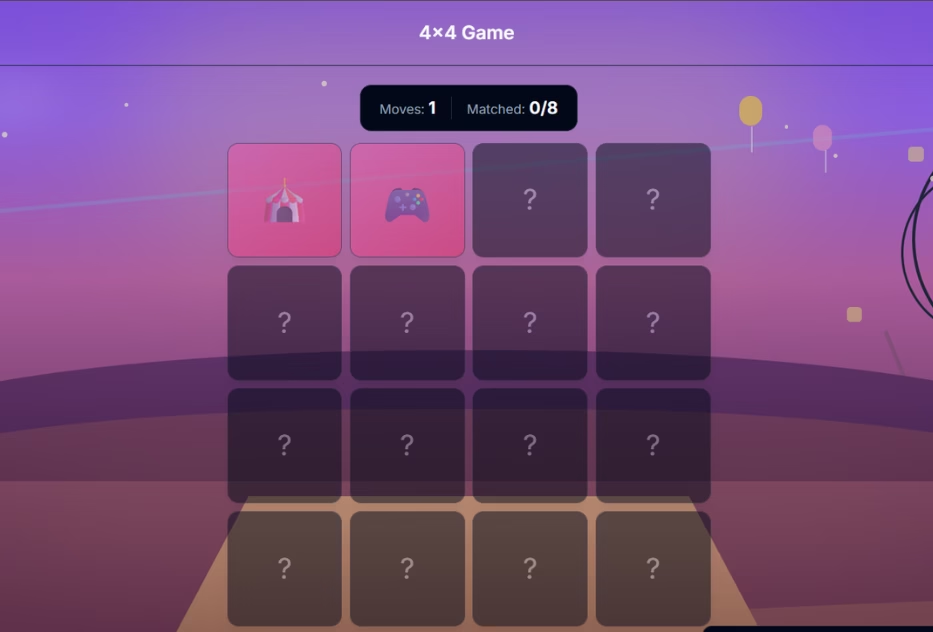
When the two revealed cards match, they stay open. This helps you see your progress because the matched cards are no longer part of the guessing process. When the two cards do not match, they flip back over after a short moment.
That short moment matters. It gives you time to remember where the symbols were. For example, if you reveal a basketball symbol in the top row and then reveal the same symbol later near the bottom, you can go back and match them on your next turn.
The game is not about clicking fast. It is more about paying attention. Random clicking may still find a pair sometimes, but it usually increases your move count. If you want cleaner results, try to remember the position of every symbol you reveal.
Difficulty Levels, Entry Fees, and Prizes
Memory Match has five difficulty levels. The bigger the board, the more cards and pairs you need to remember. Bigger boards also have higher virtual credit entry fees and higher prizes.
| Difficulty | Board Size | Entry Fee | Prize | Net Profit |
|---|---|---|---|---|
| 4×4 | 16 cards / 8 pairs | 20 credits | 25 credits | +5 credits |
| 4×5 | 20 cards / 10 pairs | 30 credits | 45 credits | +15 credits |
| 4×6 | 24 cards / 12 pairs | 45 credits | 70 credits | +25 credits |
| 5×6 | 30 cards / 15 pairs | 65 credits | 100 credits | +35 credits |
| 6×6 | 36 cards / 18 pairs | 100 credits | 150 credits | +50 credits |
All credits mentioned here are virtual Play-Cute credits only. They are used inside the Play-Cute game system and should not be treated as cash, real-money rewards, or anything outside the game.
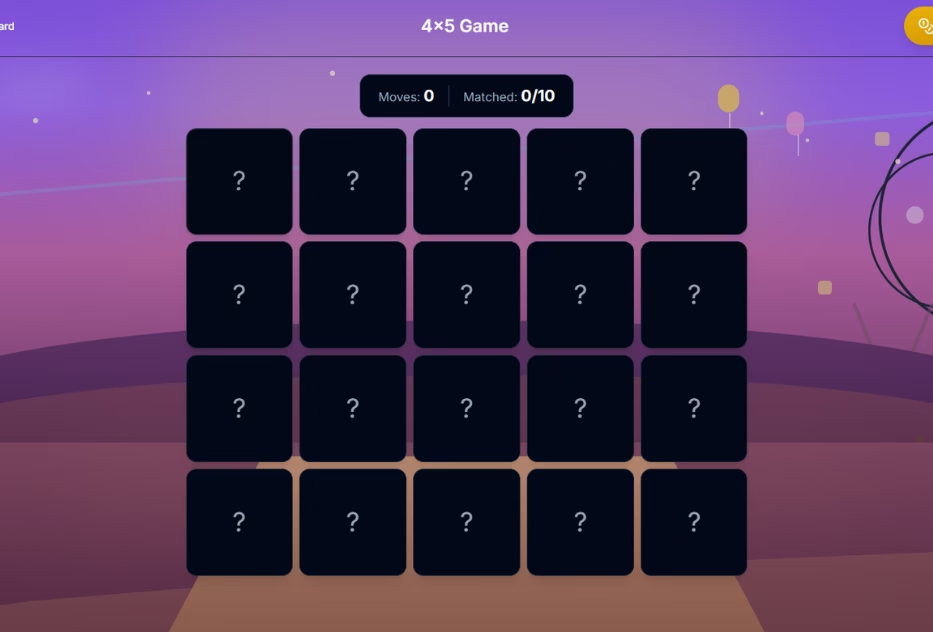
The 4×4 board is the easiest place to start because it has only 8 pairs. The 4×5 board already feels a little more challenging because you now have 10 pairs to remember. Once you move into 4×6, 5×6, or 6×6, the game becomes less about lucky guesses and more about focus.
Starting with the 4×4 Board
For beginners, the 4×4 board is the best starting point. It gives you 16 cards, which means there are 8 matching pairs to find. That is enough to make the game fun, but not so many that the board feels overwhelming.
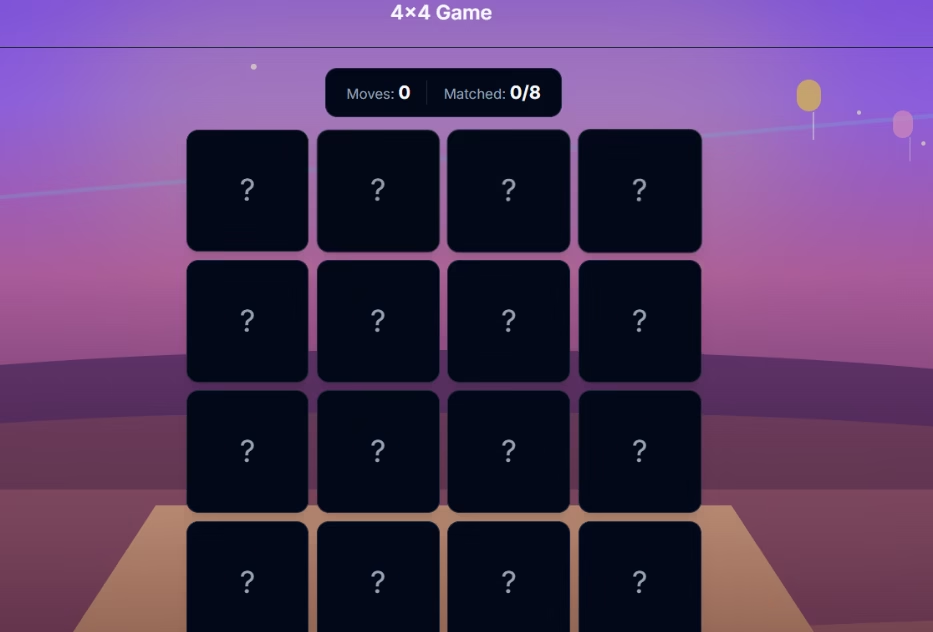
On the 4×4 screen, you can clearly see the important parts of the game:
- the Dashboard button
- the current difficulty, such as 4×4 Game
- your credit display
- the Moves counter
- the Matched counter
- the hidden card grid
At the start, Moves is 0 and Matched is 0/8. That means you have not made any complete two-card attempts yet, and none of the 8 pairs have been found.
This is the best board for learning the rhythm of the game. You can practice flipping two cards, remembering their positions, and slowly clearing the board. Once you can finish 4×4 without too many wasted moves, then it makes sense to try a bigger layout.
Tracking Your Moves and Matched Pairs
The two most important counters during the game are Moves and Matched.
Moves increases when you flip two cards as a pair attempt. So if you click one card and then click a second card, that counts as one move. It does not matter whether the pair is correct or wrong — it is still one attempt.
Matched shows how many pairs you have already found. On a 4×4 board, the counter goes from 0/8 to 8/8. On a 4×5 board, it goes from 0/10 to 10/10.
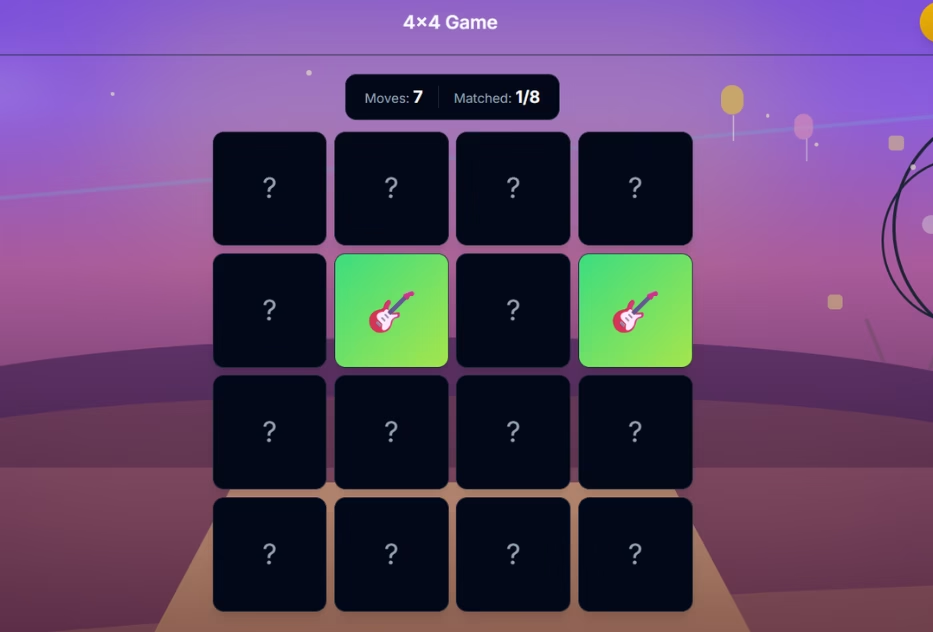
This is where the game starts to feel more strategic. A matched pair stays visible, so every correct match makes the board easier. You have fewer hidden cards left to worry about, and the visible pairs help you track your progress.
A good goal is not just to finish the board, but to finish it with fewer moves over time. You do not need to be perfect. Just try to improve slowly. If your first 4×4 game takes a lot of moves, that is fine. Play again and see if you can remember positions better the next time.
Trying a Bigger Board
Once 4×4 starts to feel easy, the next natural step is 4×5. This board has 20 cards and 10 pairs, so it gives you more symbols to remember without jumping straight into the largest layout.
The bigger board changes how you play. On 4×4, you can sometimes remember the whole board quickly. On 4×5 and above, you need to be more organized. Try to remember cards by section. For example, you might think of the board as top-left, top-right, middle, and bottom area.
The 4×6, 5×6, and 6×6 boards add even more cards, so they are better once you already understand the game. Bigger boards also have higher entry fees and prizes, so it is better to build confidence on smaller boards first.
What Happens When You Complete the Game?
When all pairs are matched, the game shows a completion modal. This is one of the best screenshots to include in the article because it clearly shows the result of the round.
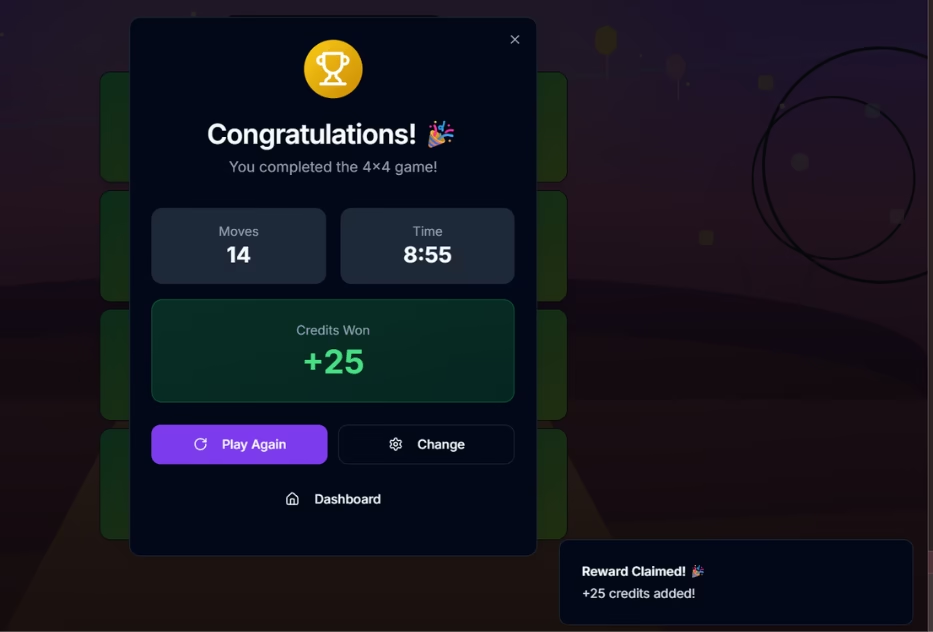
The completion screen shows:
- Congratulations message
- your total Moves
- your Time
- Credits Won
- Play Again button
- Change button
- Dashboard button
- Reward Claimed message
This makes the end of the round feel clear. You know how many moves you used, how long the game took, and how many virtual credits were added after the reward was claimed.
The buttons are also useful. If you want another quick round, you can choose Play Again. If the board felt too easy or too hard, you can choose Change and pick another difficulty. If you are done playing, Dashboard takes you back.
Beginner Tips for Better Results
The best way to get better at Memory Match on Play-Cute is to play with a little patience. You do not need complicated tricks. Just avoid rushing.
Start with 4×4. This is the easiest board to understand because it only has 8 pairs. It gives you enough room to practice without making the screen too crowded.
Do not click randomly. Random clicking might work once in a while, but it usually wastes moves. Every time you reveal a card, try to remember where it was.
Use rows and sections. For example, if you reveal a symbol in the top row, mentally mark it as “top row, second card” or “top-right area.” This is easier than trying to remember the whole board as one big group.
When two cards do not match, remember both. A wrong pair is not useless. It gives you two pieces of information that may help later.
Watch the Moves counter. You do not have to obsess over it, but it is a good way to measure improvement. If you finish a 4×4 board in fewer moves than your last attempt, that is progress.
Move up slowly. Try 4×5 when 4×4 feels comfortable. Then try 4×6, 5×6, and 6×6 when you want a longer challenge.
Is Memory Match Good for Quick Play?
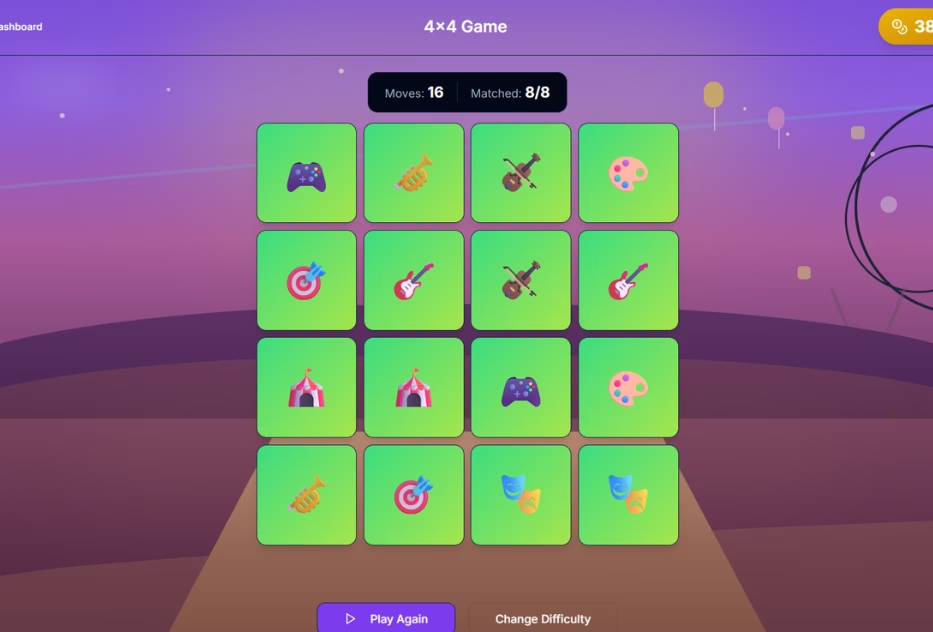
Yes, Memory Match is good for short play sessions because the rules are simple and the game does not need a long setup. You choose a difficulty, press Play Now, and start flipping cards.
The smaller boards are especially good if you just want a quick round. A 4×4 game is easy to understand and does not take too long. The larger boards are better when you want something that requires more focus.
Another nice thing is that the result screen is very clear. You do not have to guess what happened after finishing the board. The game shows your moves, time, credits won, and reward status.
Final Thoughts
Memory Match on Play-Cute works well because it keeps the classic matching-pairs idea simple, but adds enough structure to make each round feel complete. You are not just flipping cards for no reason. You choose a difficulty, use virtual credits to start, track your moves, match pairs, and get a clear completion result at the end.
For beginners, 4×4 is the best place to start. It is small, clean, and easy to follow. Once you are comfortable, the bigger boards give you more cards, more pairs, and a better memory challenge.
Overall, Memory Match on Play-Cute is a simple but replayable game. It is easy to learn, quick to play, and more interesting as the board size increases.